Residential Framing
Single-family and townhome floors with predictable deflection for tile and hardwood finishes.
Specification teams choose Boise Cascade when floor systems, roof beams, and panelized walls need published span tables, verified dimensional stability, and mill-traceable fiber. Pair LVL, I-joists, and structural plywood with compressive strength targets that keep schedules intact from takeoff through final inspection.
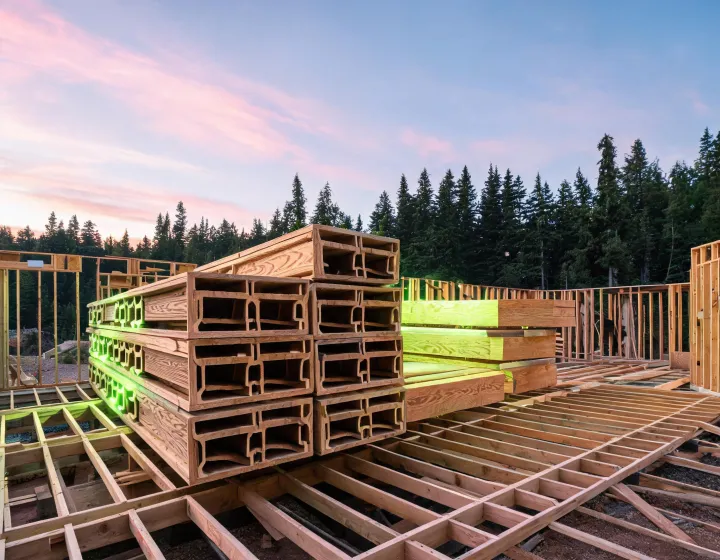
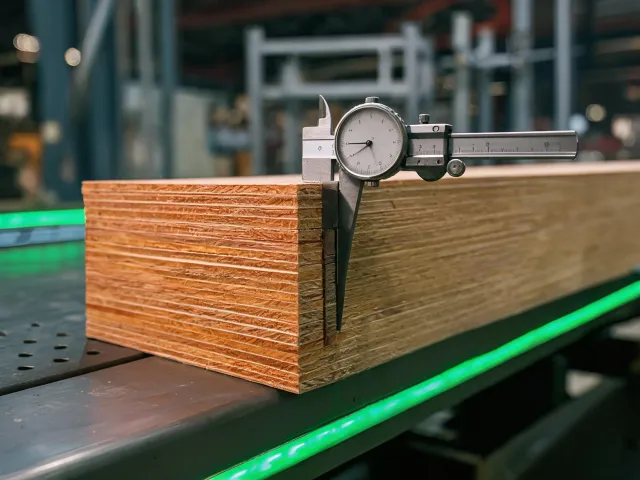
Every product line ships with engineering notes that help structural engineers and procurement managers balance load bearing capacity, fire resistance rating pathways, and moisture vapor transmission expectations before lumber hits the deck.
Digital and printed span tables map joist depth, spacing, and live-load cases so design teams can lock framing early without speculative oversizing.
Kiln schedules and resin systems reduce cupping risk on panels exposed during weather windows common to multifamily and modular yards.
FSC Chain of Custody and PEFC pathways support LEED documentation without forcing a sustainability versus cost compromise on every SKU.
Thirty-seven manufacturing plants across North America shorten lead times when Buy America preferences and domestic sourcing clauses apply.
Detailing notes support wood-to-steel interfaces so architects can keep warm interiors without sacrificing flexural strength at long spans.
Use this side-by-side view when deciding between solid LVL members and I-joist floor systems. Values illustrate typical published ranges; always confirm the mill-specific APA EWS report for your project.
| Parameter | Boise Cascade LVL Beams | Boise Cascade I-Joists |
|---|---|---|
| Primary use | Headers, beams, columns | Floor and roof joists |
| Compressive strength pathway | High parallel-to-grain capacity for posts | Optimized flange-web system for bending |
| Typical depths | 3-1/2" to 7" widths, multiple depths | 9-1/2" to 16" common residential depths |
| Fire resistance rating notes | Assemblies documented via ICC-ES ESR details | Rim and blocking details for rated floor packages |
| Service life expectancy focus | Protected structural interiors | Ventilated cavities with moisture control |
| Embodied carbon advantage | High fiber utilization vs solid sawn beams | Lower mass per span foot than solid joists |
From stick-built neighborhoods to factory modular lines, product selection tracks the real constraints of each delivery method.
Single-family and townhome floors with predictable deflection for tile and hardwood finishes.
Repetitive bay layouts that keep acoustic and fire assemblies aligned across stacked units.
Long-span roof and mezzanine packages where hybrid wood-steel detailing reduces thermal bridging.
Tight tolerance panels and joists that survive transport vibration without racking.
LVL sisters and headers that match existing openings without full tear-out.
Clear-span mezzanines needing documented impact resistance and fastener schedules.
Boise Cascade maintains certification pathways that specification writers can cite in Division 06 packages without vague green claims.
Fiber tracking for projects that require certified sustainable forest inputs and audit-ready documentation.
Alternate chain-of-custody route for owners preferring PEFC market recognition on panel and lumber lots.
Engineered Wood Systems marks confirming design values used in published span and connection tables.
Evaluation reports supporting code officials reviewing fire assemblies and alternative methods.
Share your span tables, fire resistance rating goals, and delivery window. Our project desk returns mill-aligned options for panels, LVL, and I-joists within one business day on standard inquiries.